Cadence sensor: on or off
A cadence sensor detects that the pedals are turning. Once they turn, the motor delivers a set amount of power for the assist level you've chosen, however hard you push. It feels like a switch: easy, relaxed cruising, but the bike can surge as you start pedaling and keep pushing when you'd rather ease off.
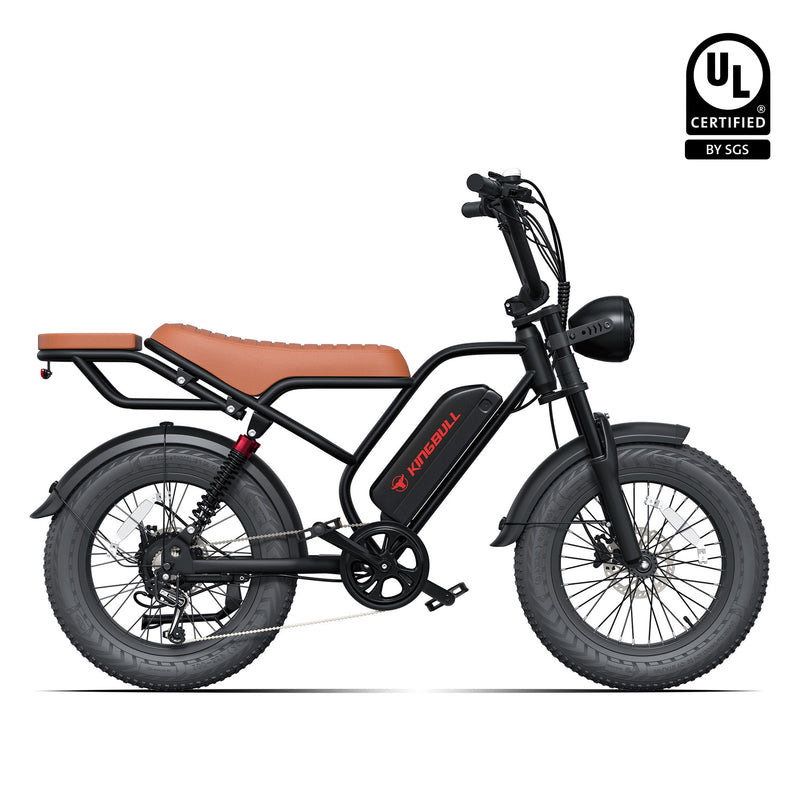
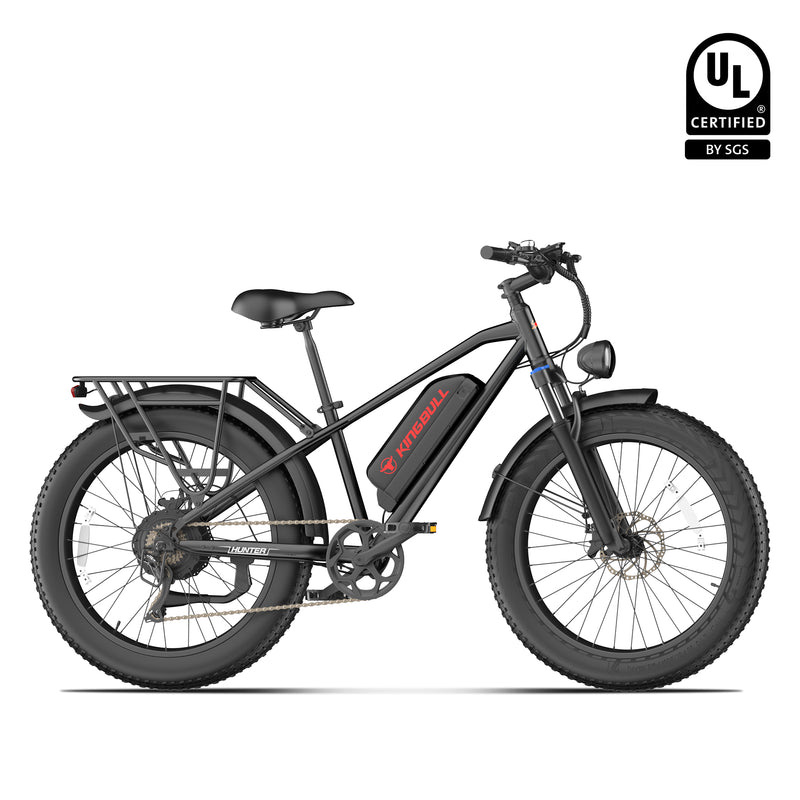
Kingbull bikes with cadence sensors: Ranger, Hunter 2.0S, Hunter 2.0, Literider 2.0, Expedition.
Torque sensor: more push, more help
A torque sensor measures how hard you press on the pedals and adds power in proportion. Push hard on a hill and the motor works hard; pedal gently and it helps gently. It feels like a normal bike with stronger legs, and it usually uses the battery more efficiently because power goes where you need it.
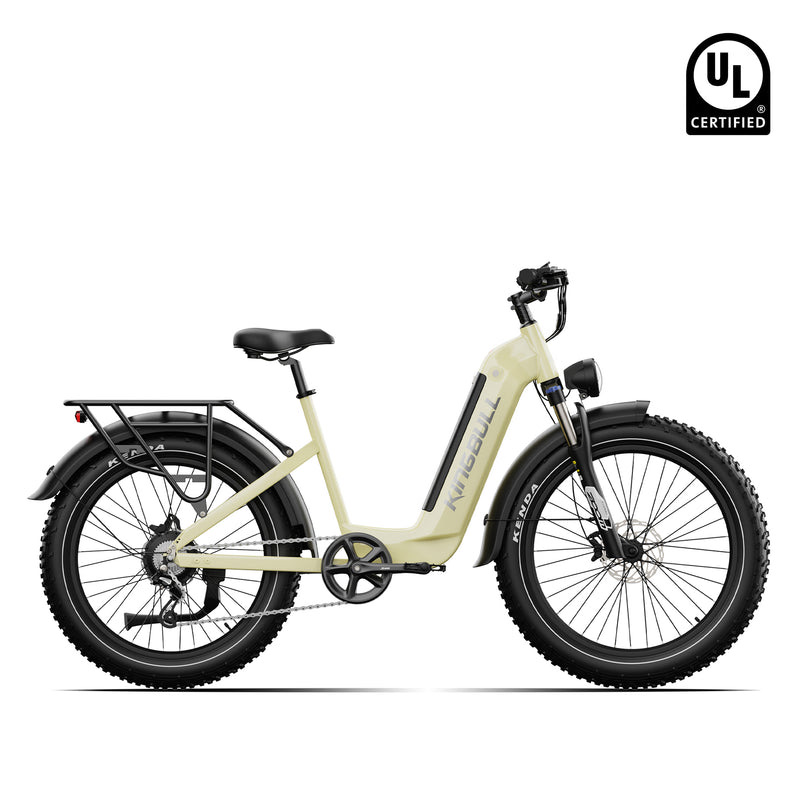
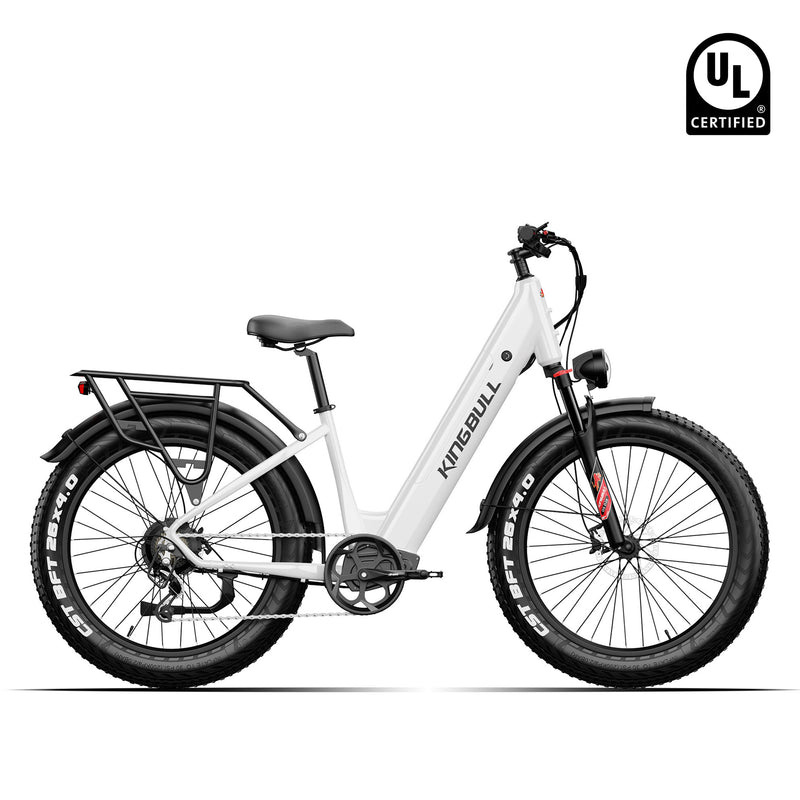
Kingbull bikes with torque sensors: Discover 2.0, Discover ST 2.0, Voyager 2.0, Trekker, Verve, Jumper Go, Rover 2.0, Dual Battery Voyager 2.0, EX Titan.
Which should you get?
- Mostly throttle, or relaxed cruising: cadence is fine and the bikes cost less. The Ranger ($749) and Hunter 2.0S ($949) are the value picks.
- Commuting, fitness or technical trails: a torque sensor is worth paying for. The cheapest Kingbull with one is $1,199 (Discover 2.0, Discover ST 2.0, Voyager 2.0, Trekker, Verve).
- Riding with traffic or on crowded paths: torque sensors give finer control at low speed.
Every Kingbull also has a throttle, so either type can be ridden without pedaling (up to 20 mph on most models). Compare all bikes.